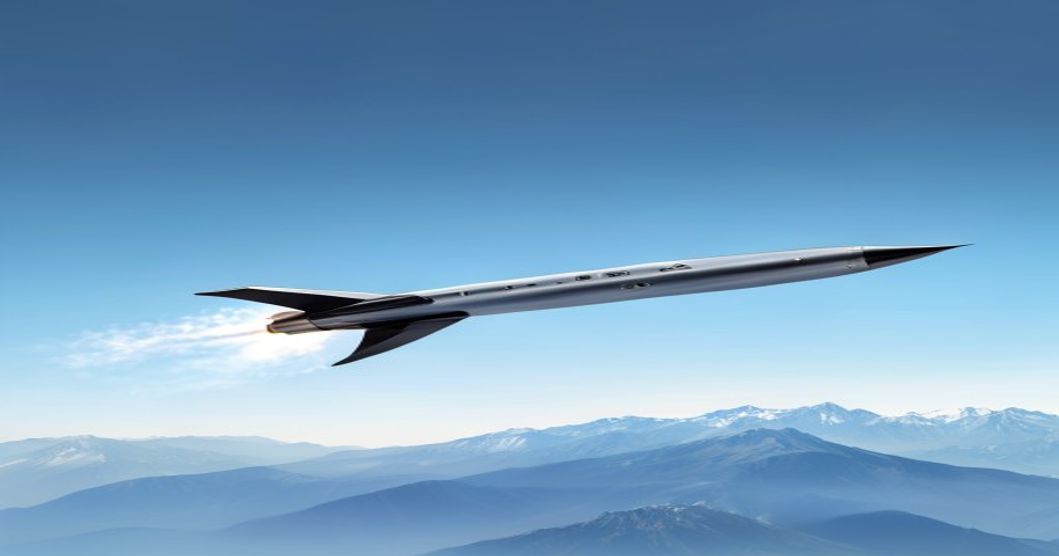
Introduction to Supersonic Missiles
The world of military technology is rapidly evolving, with supersonic missiles being a key area of focus. In South Asia, two countries are at the forefront of this development: India and Pakistan. India's BrahMos missile has long been considered the gold standard in supersonic missiles, but Pakistan's recent unveiling of the Fatah-3 has raised questions about the balance of power in the region.
What is the BrahMos Missile?
Developed by India and Russia, the BrahMos missile is a supersonic cruise missile capable of reaching speeds of up to Mach 3. It has a range of approximately 300-500 kilometers and can be deployed from various platforms, including land, sea, and air. The BrahMos missile has been a game-changer for India's military, providing a significant advantage in terms of precision and speed.
What is the Fatah-3 Missile?
Pakistan's Fatah-3 missile is a supersonic cruise missile with a reported range of 290-450 kilometers. It is believed to be a localized derivative of China's HD-1 missile and has been designed for both land-attack and anti-ship missions. The Fatah-3 missile has been touted as a significant upgrade to Pakistan's conventional warfare strategy, providing a high-speed precision-strike capability that can compress India's reaction time during conflict.
Implications of the Supersonic Missile Race
The development of supersonic missiles in South Asia has significant implications for regional security. With both India and Pakistan possessing advanced missile systems, the risk of escalation and miscalculation increases. The Fatah-3 missile, in particular, has raised concerns about the potential for Chinese defense influence and missile proliferation in the Middle East.
Key Differences Between BrahMos and Fatah-3
While both missiles are supersonic, there are key differences between them. The BrahMos missile emphasizes kinetic strike power, multi-platform deployment, stealth features, and advanced guidance systems. In contrast, the Fatah-3 missile prioritizes affordability, lighter weight, and fuel efficiency. The following table highlights the key differences between the two missiles:
| Missile | Range | Speed | Warhead | Guidance System |
|---|---|---|---|---|
| BrahMos | 300-500 km | Mach 3 | 200-300 kg | INS/GPS, Active/Passive Radar |
| Fatah-3 | 290-450 km | Mach 2.5-4 | 240-400 kg | Unknown |
Conclusion
The supersonic missile race in South Asia is a complex and evolving issue. As both India and Pakistan continue to develop and deploy advanced missile systems, the region's security dynamics will likely be significantly impacted. It is essential to monitor these developments closely and consider the potential implications for regional stability and global security.
Actionable Insights
- The development of supersonic missiles in South Asia is a key area of focus for military strategists and policymakers.
- The BrahMos and Fatah-3 missiles have different design priorities and capabilities, which will impact their deployment and use in various scenarios.
- The risk of escalation and miscalculation in the region increases with the development of advanced missile systems.
- The potential for Chinese defense influence and missile proliferation in the Middle East is a concern that needs to be addressed.
Have a question or feedback?
I’d love to hear from you.